



Doctor of Philosophy (PhD) Christian Theology
The Doctor of Philosophy in Christian Theology is a premier PhD in theology designed to prepare students for the teaching, writing, and leadership ministries of the Church and academy. This full-time degree builds upon previous foundational theological study and encourages the development of valuable research and teaching experience, shaping you for a career as a prospective academic scholar, or advancing your pastoral leadership for those seeking a doctor of divinity equivalent.
Apply NowTheology PhD Program Details
The Doctor of Philosophy (Christian Theology) program at McMaster Divinity College is a full-time, residential program designed to prepare students for teaching, writing, and leadership roles within the Church and academia. Built on a strong foundation of theological study, our PhD in theology offers an immersive learning environment that fosters deep engagement with both faculty and peers.
One of the key advantages of the residential model is the opportunity for students to work closely with faculty, facilitating the student’s development of specialized research interests and scholarly expertise. The faculty’s background in ministry and Christian leadership enriches the academic experience, providing students with a broad perspective on theological studies, whether you are aiming to become a doctor of biblical studies or a practical theologian.
Students are encouraged to engage in teaching opportunities such as Graduate Assistantships or teaching a spring term course, which not only enhances their pedagogical skills but also gives them valuable experience for future roles in academia. The program also provides strong support for publishing, with opportunities to present at institutional and external conferences and contribute to works published by the MDC Press, the College’s in-house publisher.
McMaster Divinity College offers affordable tuition rates and our PhD students often receive the highest levels of financial aid available. With the same rates for international students, we welcome scholars from across the globe to contribute to our diverse learning community and support them in their transition to Canada.

Your Theology PhD At A Glance
Program Duration
- Designed to be completed in 4 years
Customize your PhD in theology by choosing an area of emphasis:
- Theological Studies (includes Church History)
- Ministry Studies (includes Pastoral Theology & Preaching)
- Biblical Studies (OT, NT, Septuagint)
Contact Admissions
Year 1–2
In your first years of the doctoral program, you will be required to complete 8 advanced courses designed to build your expertise as a future theologian or scholar. These include:
- Research Methods course
- Pedagogical course
- 1 Interdisciplinary course:
- Biblical Theology (BS)
- Theological Contours of Ministry (MS)
- Ministry and Evangelical Thought (TH)
- 5 Courses in one of the following areas of emphasis:
- Biblical Studies (NT, OT, Septuagint)
- Theological Studies (including Church History)
- Ministry Studies
Modern Language Exam
At least one modern research language, such as German or French, is required for all PhD students. Competence in modern languages is to be demonstrated through a language examination set by the primary and secondary advisors or other suitable person at McMaster Divinity College, as decided by the committee of advisors. This requirement must be met before students will be permitted to move into the dissertation phase of the program. The modern language exam should be completed by the end of the first year of study.
Vocational Practice
Vocational practice is required in each term of coursework. It must create meaningful, intellectual, and reflective interaction between the area of emphasis and your chosen vocation as an academic or ministry leader.
Year 3-4
After coursework is complete, students move into:
Comprehensive Exams & Oral Defence
Three written comprehensive exams in the area of emphasis, as well as an oral defence, are required upon the completion of coursework to advance your PhD candidacy.
Dissertation & Oral Defence
Based on your area of emphasis, a dissertation (80,000–100,000 words) must be written demonstrating expert knowledge of the area by presenting and supporting a new, original thesis within the subject area. The dissertation will be defended orally as the capstone of your PhD in theology.
Faculty Supervision
From the outset, as part of the admission process, students work with a primary supervisor whose expertise and scholarly interests correspond with the student’s area of emphasis, whether training to be a doctor of biblical studies or a practical theologian. In addition, each student has the support of a supervisory committee, which consists of the primary supervisor, a secondary supervisor, the Academic Dean, and any other members from inside or outside of the College as deemed appropriate. This committee will work closely with the student to assist in planning and approving the student’s program of courses and research, to decide on timing of comprehensive and language examinations, to provide the student with regular appraisals of progress, to decide when the student is ready to write the dissertation, and to give advice during this process.
Funding
McMaster Divinity College is committed to making your PhD in theology accessible. We award approximately half a million dollars in financial assistance to our students each year. This money is awarded on a needs basis and does not need to be repaid. Eligible PhD students can receive up to $13,000 in funding each year (up to a maximum of 5 years), in addition to the following opportunities:
Graduate Assistantships
Doctoral students may apply to work as a Graduate Assistant (GA) which pays up to an additional $3,850 for a maximum of 10 hours per week (200 hours total). These placements vary in number of hours and are awarded on a competitive basis to students in good academic standing and are most often awarded to PhD students.
Academic Achievement Awards
MDC awards approximately $27,000 in academic awards and achievements each year to support our emerging theological scholars. Students who show exceptional ability in specified areas may receive additional prizes and awards at the end of each academic year.
Alumni Loyalty Scholarship
MDC alumni may qualify for an additional $1,000 to $2,000 loyalty scholarship for their first year.
Grants & Loans For Ontario Residents
Financial assistance may be available for those who qualify. Ontario students enrolled in the PhD program may be eligible, if qualified, for grants and loans awarded by the Ontario Student Assistance Program (OSAP). When applying for OSAP, please indicate McMaster Divinity College as your institution. For questions regarding OSAP, contact MDC’s Financial Aid Office at mdcaid@mcmaster.ca.
Additional MDC Financial Assistance may be available for Ontario residents.
A first-year PhD student could have one of the following scenarios*:
| Maximum PhD Funding | Typical PhD Funding | |
| MDC Financial Assistance | $15,000 | $7,000 |
| Graduate Assistantship | $5,000 | $3,500 |
| Academic Awards | $2,000 | $200 |
| Total Funding | $22,000 | $10,700 |
| Tuition Fee | $20,367 | $20,367 |
| Amount payable by student | ($2,367) | $9,667 |
*based on estimated aid for 2026-27
Tuition Fees
| Domestic Students Canadian Students |
International Students Non-Canadian and visa students |
|
| Per year | $20,367 | $20,367 |
Students earning their PhD must pay a minimum of 4 years of tuition in this program.
All fees are subject to an additional $167 registration fee. Students must also pay MDC student fees and student & GSA health fees. Applicable UHIP premiums will be added for international students.
Additional Benefits
Students in our program can also take advantage of the following:
- Subsidy for travel expenses related to presenting at approved conferences
- A dedicated study space (cubicle) in a secure room with their PhD colleagues
- Full access to the Digital Theological Library
- Software licenses including: Microsoft 365, Zoom, LinkedIn Learning, EndNote, + more
Admissions Requirements
Agreement with the McMaster Divinity College Statement of Faith.
Bachelor’s degree from an accredited university or its educational equivalent, with at least a B+ average.
Applicants seeking a PhD in theology (or equivalent advanced ministry degrees like a Doctor of Divinity) must hold a Master’s degree from an accredited university or its educational equivalent (e.g. MA, MTS, MDiv, ThM) with at least a B+ average (students with a concentration in Ministry Studies will normally have an MDiv degree).
At least ten term-long courses in the concentration selected for study, or related areas, with at least a B+ average in these courses.
A major piece of written academic work (minimum 10,000 words), preferably a master’s thesis, in the student’s proposed area of specialization, written in English.
For students specializing as a future doctor of biblical studies, the following language proficiencies are also required:
| Biblical Studies | 12 units (4 terms) of the major biblical language of his/her emphasis (i.e., Greek for New Testament students or Hebrew for Old Testament) 6 units (2 terms) of the other language. |
| Septuagint Studies |
12 units of Greek, |
-
Program Outline
Year 1–2
In your first years of the doctoral program, you will be required to complete 8 advanced courses designed to build your expertise as a future theologian or scholar. These include:
- Research Methods course
- Pedagogical course
- 1 Interdisciplinary course:
- Biblical Theology (BS)
- Theological Contours of Ministry (MS)
- Ministry and Evangelical Thought (TH)
- 5 Courses in one of the following areas of emphasis:
- Biblical Studies (NT, OT, Septuagint)
- Theological Studies (including Church History)
- Ministry Studies
Modern Language Exam
At least one modern research language, such as German or French, is required for all PhD students. Competence in modern languages is to be demonstrated through a language examination set by the primary and secondary advisors or other suitable person at McMaster Divinity College, as decided by the committee of advisors. This requirement must be met before students will be permitted to move into the dissertation phase of the program. The modern language exam should be completed by the end of the first year of study.
Vocational Practice
Vocational practice is required in each term of coursework. It must create meaningful, intellectual, and reflective interaction between the area of emphasis and your chosen vocation as an academic or ministry leader.
Year 3-4
After coursework is complete, students move into:
Comprehensive Exams & Oral Defence
Three written comprehensive exams in the area of emphasis, as well as an oral defence, are required upon the completion of coursework to advance your PhD candidacy.
Dissertation & Oral Defence
Based on your area of emphasis, a dissertation (80,000–100,000 words) must be written demonstrating expert knowledge of the area by presenting and supporting a new, original thesis within the subject area. The dissertation will be defended orally as the capstone of your PhD in theology.
Faculty Supervision
From the outset, as part of the admission process, students work with a primary supervisor whose expertise and scholarly interests correspond with the student’s area of emphasis, whether training to be a doctor of biblical studies or a practical theologian. In addition, each student has the support of a supervisory committee, which consists of the primary supervisor, a secondary supervisor, the Academic Dean, and any other members from inside or outside of the College as deemed appropriate. This committee will work closely with the student to assist in planning and approving the student’s program of courses and research, to decide on timing of comprehensive and language examinations, to provide the student with regular appraisals of progress, to decide when the student is ready to write the dissertation, and to give advice during this process.
-
Funding & Tuition Fees
Funding
McMaster Divinity College is committed to making your PhD in theology accessible. We award approximately half a million dollars in financial assistance to our students each year. This money is awarded on a needs basis and does not need to be repaid. Eligible PhD students can receive up to $13,000 in funding each year (up to a maximum of 5 years), in addition to the following opportunities:
Graduate Assistantships
Doctoral students may apply to work as a Graduate Assistant (GA) which pays up to an additional $3,850 for a maximum of 10 hours per week (200 hours total). These placements vary in number of hours and are awarded on a competitive basis to students in good academic standing and are most often awarded to PhD students.
Academic Achievement Awards
MDC awards approximately $27,000 in academic awards and achievements each year to support our emerging theological scholars. Students who show exceptional ability in specified areas may receive additional prizes and awards at the end of each academic year.
Alumni Loyalty Scholarship
MDC alumni may qualify for an additional $1,000 to $2,000 loyalty scholarship for their first year.
Grants & Loans For Ontario Residents
Financial assistance may be available for those who qualify. Ontario students enrolled in the PhD program may be eligible, if qualified, for grants and loans awarded by the Ontario Student Assistance Program (OSAP). When applying for OSAP, please indicate McMaster Divinity College as your institution. For questions regarding OSAP, contact MDC’s Financial Aid Office at mdcaid@mcmaster.ca.
Additional MDC Financial Assistance may be available for Ontario residents.
A first-year PhD student could have one of the following scenarios*:
Maximum PhD Funding Typical PhD Funding MDC Financial Assistance $15,000 $7,000 Graduate Assistantship $5,000 $3,500 Academic Awards $2,000 $200 Total Funding $22,000 $10,700 Tuition Fee $20,367 $20,367 Amount payable by student ($2,367) $9,667 *based on estimated aid for 2026-27
Tuition Fees
Domestic Students
Canadian StudentsInternational Students
Non-Canadian and visa studentsPer year $20,367 $20,367 Students earning their PhD must pay a minimum of 4 years of tuition in this program.
All fees are subject to an additional $167 registration fee. Students must also pay MDC student fees and student & GSA health fees. Applicable UHIP premiums will be added for international students.
Additional Benefits
Students in our program can also take advantage of the following:- Subsidy for travel expenses related to presenting at approved conferences
- A dedicated study space (cubicle) in a secure room with their PhD colleagues
- Full access to the Digital Theological Library
- Software licenses including: Microsoft 365, Zoom, LinkedIn Learning, EndNote, + more
-
Admission Requirements
Admissions Requirements
Agreement with the McMaster Divinity College Statement of Faith.
Bachelor’s degree from an accredited university or its educational equivalent, with at least a B+ average.
Applicants seeking a PhD in theology (or equivalent advanced ministry degrees like a Doctor of Divinity) must hold a Master’s degree from an accredited university or its educational equivalent (e.g. MA, MTS, MDiv, ThM) with at least a B+ average (students with a concentration in Ministry Studies will normally have an MDiv degree).
At least ten term-long courses in the concentration selected for study, or related areas, with at least a B+ average in these courses.
A major piece of written academic work (minimum 10,000 words), preferably a master’s thesis, in the student’s proposed area of specialization, written in English.
For students specializing as a future doctor of biblical studies, the following language proficiencies are also required:
Biblical Studies 12 units (4 terms) of the major biblical language of his/her emphasis (i.e., Greek for New Testament students or Hebrew for Old Testament)
6 units (2 terms) of the other language.Septuagint Studies 12 units of Greek,
12 units of Hebrew
Meet the Theological Faculty

Mark J. Boda
Professor of Old Testament, Margaret and Stanley Ford Chair of Old Testament
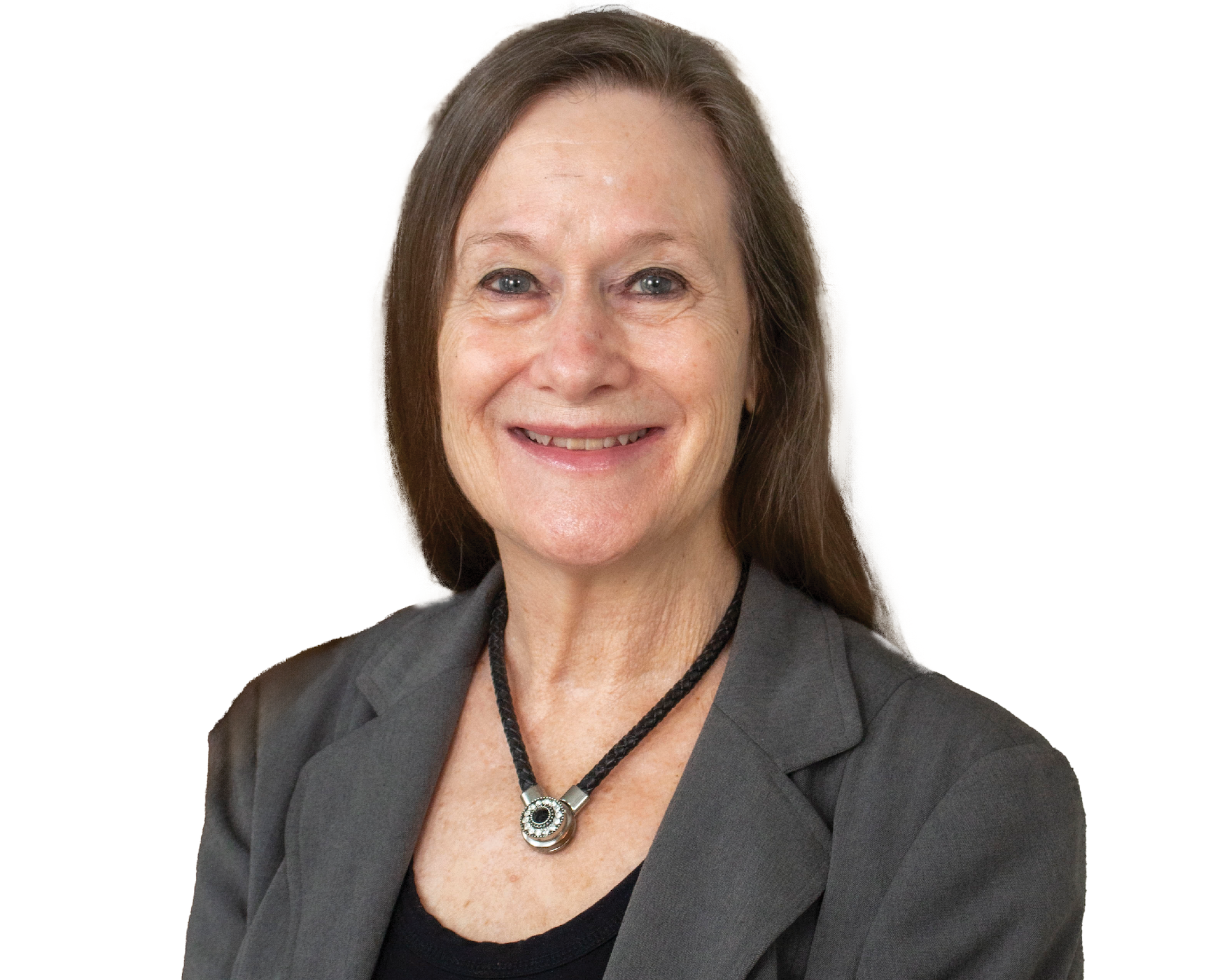
Cynthia Long Westfall
Associate Professor of New Testament

Clement Y. Wen
Assistant Professor of Systematic and Historical Theology, Howard and Shirley Bentall Chair in Evangelical Thought
Take the Next Step in Your Theological Education

-
Book an appointment
If you would like to speak directly with an Admissions Counsellor about starting your PhD in theology, we would be glad to book an appointment at a time that works for you. You can choose to book an in-person appointment, a Zoom call, or a phone call. Quick question? Give us a phone call, drop us a text, or send us an email!
-
Attend an online info session
Can’t make it to campus? No problem! Join one of our program-specific online information sessions to learn more about earning your doctoral degree from wherever you are. These one-hour sessions are designed to give you the chance to ask questions and receive detailed information about the program that interests you. Be sure to register in advance so we can send you the meeting link and welcome you to the session!
-
Visit us in-person
Come visit us in person! Meet with an admissions counsellor, meet faculty, and take a personalized tour of our campus. Experience firsthand what makes our community and programs so special.
-
Download an on-demand lecture
Register now for access to our on-demand lectures. This is an opportunity to watch online lectures from our faculty, on your own schedule. Fill out the registration form for the lecture(s) you would like to view and we will send you a link to access the lectures. Check back often for new content!
Jesus – Elijah Confusion – Dr. Paul Evans
How to Disagree Christianly – Dr. Gord Heath
Knowing the Bible – Dr. Christopher Land
Theology of the Temple – Dr. Paul Evans
Old Testament Apologetics – Dr. Paul Evans
Part 1: Interpreting OT Law
Part 2: Interpreting Imprecatory PsalmsBiblical Wisdom – Dr. Paul Evans
Part 1: The Patriarchy of Wisdom
Part 2: Wisdom as Emotional and Practical Intelligence
Part 3: The Bible’s Use of Non-Israelite Wisdom
PhD in Theology Application Checklist
-
1. Agreement with Statement of Faith
Review McMaster Divinity College’s Statement of Faith.
-
2. Personal Statement
Your personal statement should be no longer than one page and comment on the following questions:
What is your Christian experience?
Why are you pursuing this degree?
Why is McMaster Divinity College the best place for you to develop the above?
What is the nature of your present local church involvement and/or para-church involvement? -
3. Curriculum Vitae (CV)
Your CV should list your past education, work experience, professional accreditations, publications, ministry and leadership experience, ancient and modern language proficiencies, and honours.
-
4. Writing Sample
Provide us with your Master’s thesis or writing sample in your proposed area of specialization (minimum 10,000 words).
-
5. Preferred Faculty Supervisor
Review our faculty and choose your top three McMaster Divinity College faculty members to mentor you through your doctoral studies.
-
6. Proposed Dissertation Topic
Please provide a one-page description of the research topic you are considering for your dissertation.
-
7. References
You will be required to submit the names and contact information for your references in your application. References must be confidential. Please forward the appropriate reference form link (below) to your referees who will complete the form for direct submission to our Admissions Office.
PhD applicants must submit:
- Two academic references
- One pastoral reference
You will also be required to submit the name, title, and contact information for two additional referees who are willing to speak on your behalf, if contacted.
-
8. Application Fee
You will be required to pay a $107.00 (CAD) non-refundable application fee. Students who pay after the application deadlines will be charged a late fee of $54.00 (CAD). International students must pay an international application fee, see “Special Requirements for Visa/International Applicants” below.
-
9. Transcripts
After submitting your application, please request official transcripts for all post-secondary education from your institution. Transcripts should be sent in original sealed envelope or official digital transcript to divadmit@mcmaster.ca or by mail to:
McMaster Divinity College
Admissions Dept
1280 Main St W
Hamilton, ON L8S 4K1 -
Special Requirements for Visa/International Applicants
For students whose first language is not English, a TOEFL certificate with a minimum score of 92 IBT is required.
If submitted documents (including transcripts) are not in English, you may be required to submit an official translation of these documents (a WES evaluation may be requested).
Students who do not possess a passport from a North American country must pay an application fee of $134.00 (CAD).
Students will be required to submit a copy of their Canadian study permit before registration in the PhD program.
Application Deadlines
Winter Term
August 1
Fall Term
January 15
Applications submitted after the deadline are subject to a late fee.